



Clubs, sponsors, equipment manufacturers: the digital image of athletes has become a business lever.
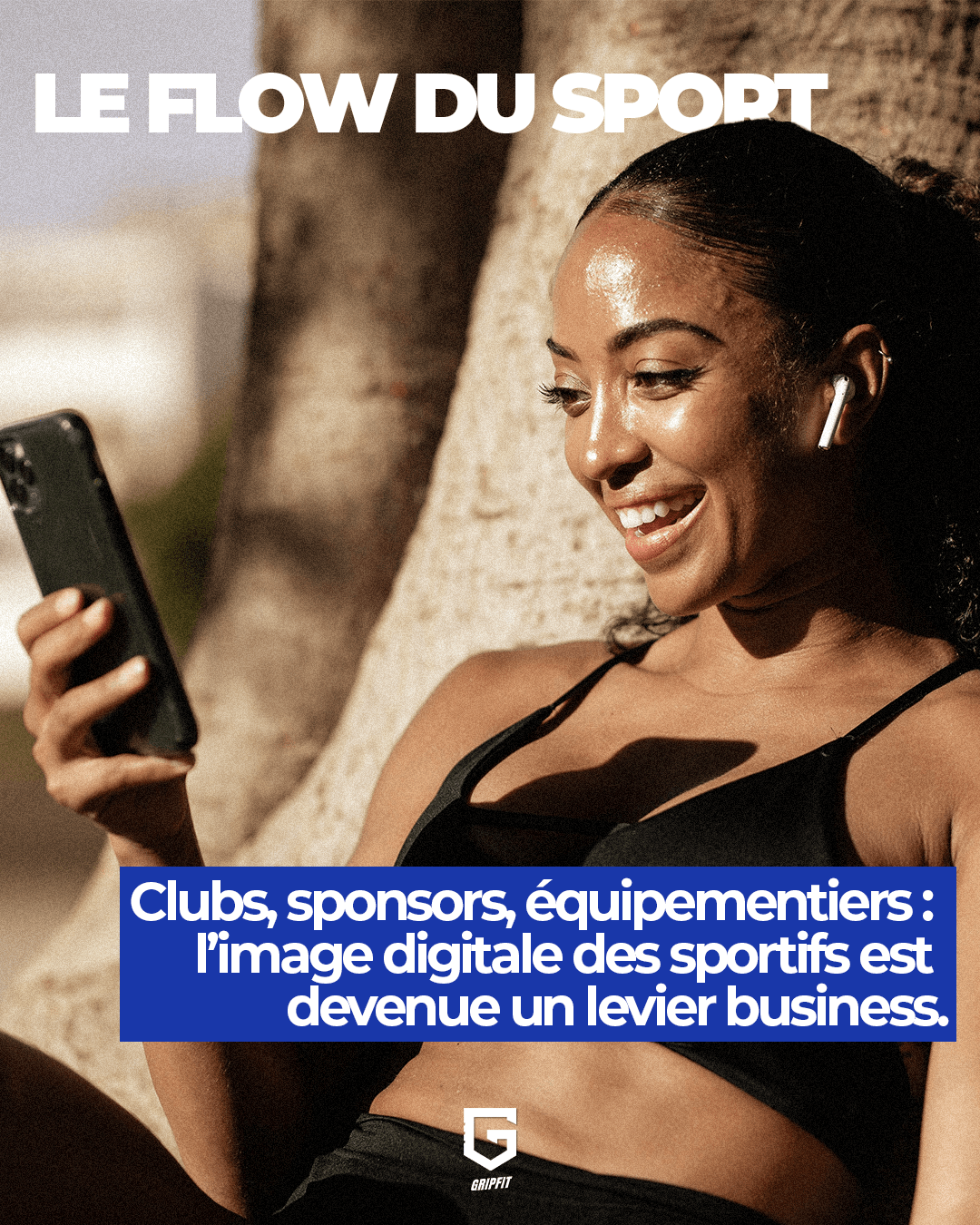
"An Instagram post is sometimes worth more than a goal."
Today, a player's image on social media is an asset as valuable as their performance on the field.
Clubs, sponsors and equipment manufacturers have understood this well: digital communication has become a pillar of the sports business.
The impact of social media on a player's career
Social networks are no longer just used to share moments of life.
They shape a public image, attract a community, and create an influence that extends beyond the realm of sports.
A charismatic player with good communication support can multiply his income through partnerships and improve his attractiveness to clubs.
Example: Cristiano Ronaldo, Messi, Mbappé, but also lesser-known players who explode onto the scene thanks to their online authenticity.
A strategic advantage for clubs
Clubs are no longer recruiting players solely for their sporting qualities, but also for their ability to generate visibility.
A transfer also means millions of new subscribers on the club's accounts (ex: Ronaldo's arrival at Juve = +6M followers in one week).
Clubs are increasingly valuing this “network effect” in their marketing strategy.
Equipment manufacturers and sponsors: in search of powerful images
Nike, Adidas, Puma… but also brands outside of sports, choose their ambassadors based on their digital reach.
A player who controls his image is a living “showcase” for a sponsor.
The contracts now include clauses related to communication, frequency of publications, and the quality of online public statements.
The risks of poor image management
A misinterpreted post, a controversy, an inappropriate attitude… and the player's image can collapse.
Consequence: loss of credibility, decreased interest from sponsors, impact on the relationship with clubs and supporters.
Example: some recent controversies have cost athletes partnerships, proving that digital communication must be managed with as much seriousness as a sports career.
Towards a professionalization of player communication
More and more athletes are surrounding themselves with agencies, community managers or even “image agents” to manage their digital presence.
The goal: to create a consistent personal brand, aligned with their values and ambitions.
A player's image has become a real business.
Conclusion / Open Question
The image of players on social networks is now a strategic issue for the entire ecosystem: clubs, sponsors, equipment manufacturers… but also for the players themselves.
Should athletes be trained from a young age to manage their digital image as a genuine career tool?
Leave a comment